Maplewood Covenant garden,home,outdoors Lawn Treatment Option – The Rudiments

Lawn Treatment Option – The Rudiments

Lawn treatment program is not simply one turf care process. The expression grass treatment program applies to a broad number of lawn treatment solutions used to improve the health and aesthetics of your lawn growing green, healthy grass with deep roots in any climate. Fertilisation, weed management, infestation management, and disease and fungi treatment solutions protect and enhance grass roots and blades, making sure lawns stay healthy and damage-free all year-round. The intention of these lawn treatment programs is to make grass both stunning and practical for the perfect lawn. Get more info here Lawn Care Howden


Lawn Treatment Solutions Solutions

The types of turf treatment programs include fertilisation, weed management, pest control, and disease and fungi treatment. All of these turf treatment method services are crucial for making grass flourish. A comprehensive lawn care Service should personalize the use of these treatments together for your grass’s requirements as they change through each time of year. Need help? Lawn Care Huddersfield


Grass Fertiliser Treatment Program

The nutrition that turf needs to know is naturally occurring in soil. On the other hand, most soil, can not produce all of the nutrition’s grass need during their entire season of growth to stay green and strong. Utilizing a specific turf fertiliser treatment option which is created for the time of year and the type of soil provides grass the nutrients they need to create the Amount of energy it takes for leaves and roots to grow long and durable.


Turf Weed Management Treatment Option

Dandelion control treatments deliver weed-free grass to property owners by intending to achieve 2 Things, to start with, to prevent weeds from getting the chance to grow. The second is to get rid of weeds that have already started growing. The most effective treatment method for weed management in lawns includes a mixture of pre-emergent and post-emergent herbicide applications throughout the year. Pre-emergent herbicides target weed seeds and get rid of them before they can flourish. Post-emergent weed killers kill grass weeds that have already been established and make it more difficult for them to grow back.


Turf Bug Control

Grass pests involve but are not confined to beetles, silverfish, millipedes, crickets, spiders and ants. These insect pests are known for making their homes in the blades of lush green turfs, as they feed on the soil, leaves, and roots and harm the immediate and long-term overall health of a lawn. Effective turf pest control gets rid of these troublesome pests by using several pesticide applications throughout the year to safeguard the health and structure of your grass.


Lawn Disease and Fungus Treatment Method

There are countless types of grass diseases and fungi that can quickly take over your turf and create dead spots of grass. Grass disease and fungus quickly damage and kill grass and can be caused by a wide variety of typical environmental factors and poor turf care strategies. Some of these consist of overwatering, drought, moisture, heat level, wrong mowing methods, and excessive use of fertiliser. Normal fungicide treatments at the correct times of year protect against and treat grass disease and fungus. This lawn treatment method is essential to boost your grass’s capability to thrive under stress. If you need a qualified professional Lawn Care business to come and treat your grass and get it looking luscious and green all year round then contact Lawn Care Wakefield
Related Post

Possible Consequences After a Criminal Conviction in DallasPossible Consequences After a Criminal Conviction in Dallas

Introduction: 

Facing criminal charges can be a daunting experience, with potential consequences that extend far beyond the courtroom. In Dallas, Texas, individuals convicted of crimes may face a variety of legal penalties and collateral consequences that can impact their lives long after the case is resolved. Understanding these potential ramifications is crucial for anyone navigating the criminal justice system. In this article, we’ll explore the possible consequences of a criminal conviction in Dallas, as well as the importance of hiring a skilled criminal defense lawyer in Dallas.


Legal Penalties: 

When someone is convicted of a crime in Dallas, they may face a range of legal penalties, depending on the nature and severity of the offense. These penalties can include:

Fines: Convicted individuals may be required to pay fines as part of their sentence. The Amount of the fine will vary depending on the offense.

Probation: In some cases, a judge may impose probation instead of or in addition to jail time. Probation typically requires individuals to comply with certain conditions, such as regularly checking in with a probation officer and abstaining from drugs and alcohol.

Jail or Prison Time: For more serious offenses, individuals may be sentenced to serve time in jail or prison. The length of the sentence will depend on factors such as the severity of the crime and the individual’s criminal history.

Community Service: Some sentences may include requirements for community service, such as Performing a certain number of hours of volunteer work.

Collateral Consequences: In addition to these legal penalties, a criminal conviction can have long-lasting collateral consequences that affect various aspects of a person’s life. These consequences may include:

Employment: A criminal conviction can make it difficult to find or maintain employment, as many employers conduct background checks on job applicants. Certain professions may be off-limits to individuals with certain types of convictions.

Housing: Landlords may be hesitant to rent to individuals with criminal records, making it challenging to secure housing.

Professional Licenses: Some professions require individuals to hold professional licenses, which may be revoked or denied to those with criminal convictions.

Immigration Status: Non-citizens convicted of crimes may face deportation or other immigration consequences, including being deemed inadmissible to the United States.

Gun Rights: A felony conviction can result in the loss of the right to own or possess firearms under both state and federal law.


Click here to find a qualified Criminal Defense Attorney in Dallas TX

Chris Lewis & Associates, P.C.
1717 Main St Suite 4625, 
Dallas, 
TX 75201, 
United States
+12146656930


Find us on Social Media:
Facebook | Youtube | Linked | Twitter

Types of Criminal Cases:

 In Dallas, as in any other jurisdiction, various types of criminal cases may arise. Some common types of criminal cases include:

DUI/DWI: Driving under the influence of alcohol or drugs is a serious offense in Texas and can result in license suspension, fines, and jail time.

Drug Crimes: Charges related to drug possession, distribution, or trafficking can carry significant penalties, including lengthy prison sentences.

Assault and Battery: Charges of assault and battery involve allegations of physical violence against another person and can range from misdemeanors to felonies.

Theft and Property Crimes: Offenses such as theft, burglary, and robbery involve unlawfully taking or damaging another person’s property and can result in both legal and collateral consequences.

White Collar Crimes: White collar crimes, such as fraud, embezzlement, and identity theft, involve Financial deception and can lead to severe penalties, including restitution and asset forfeiture.

Conclusion:

Facing criminal charges in Dallas can have serious consequences that extend beyond the courtroom. From legal penalties such as fines and jail time to collateral consequences like difficulty finding employment and housing, the aftermath of a criminal conviction can be life-altering. That’s why it’s crucial for anyone facing criminal charges to seek the guidance of a knowledgeable and experienced criminal defense lawyer in Dallas, Texas. A skilled attorney can help navigate the complexities of the legal system, protect your rights, and work to achieve the best possible outcome for your case.

What does insured mean in the legal space?What does insured mean in the legal space?

What does insured mean in the legal space?

In the legal space, the term “insured” refers to an individual or entity that holds an insurance policy and is covered by the terms of that policy. According to the Munley Law Glossary, the insured is the party who receives protection against specified risks or losses through an insurance contract. This coverage is provided by the insurer, which is the company issuing the policy.

Understanding the Term “Insured”

The “insured” is a key party in an insurance contract and has specific rights and responsibilities under the policy:

Coverage Protection: The insured is entitled to Financial protection against risks or losses covered by the insurance policy. This may include protection against property damage, liability claims, medical expenses, or other specified risks.

Policyholder: Often, the term “insured” is used interchangeably with “policyholder,” though they can sometimes differ. The policyholder is the person or entity that owns the insurance policy, while the insured may also refer to additional individuals or entities covered under the policy.

Beneficiary: In some cases, the insured may be a beneficiary designated to receive benefits under the policy, such as in life insurance where the insured’s beneficiaries receive a payout upon their death.

Types of Insurance and the Role of the Insured

The role of the insured varies depending on the type of insurance policy:

Health Insurance: The insured is covered for medical expenses and health services. They are responsible for paying premiums and may also have co-pays or deductibles.

Auto Insurance: The insured receives coverage for vehicle-related risks, including accidents, theft, and liability. The insured may be the vehicle owner or a driver listed on the policy.

Homeowners Insurance: The insured is covered for damage to their property and liability for accidents occurring on their property. The policy typically covers the property owner and may include coverage for household members.

Life Insurance: The insured is the individual whose life is covered by the policy. Upon their death, the designated beneficiaries receive the policy benefits.

Business Insurance: The insured in a business insurance policy can include the business entity itself, its employees, and potentially other stakeholders. Coverage may include liability, property damage, and business interruption.

Legal Responsibilities and Rights of the Insured

The insured has specific rights and responsibilities under an insurance policy:

Payment of premiums: The insured must pay premiums as specified in the policy to maintain coverage.

Disclosure of Information: The insured is required to provide accurate and complete information to the insurer. Failure to disclose relevant information can affect coverage or result in a denial of claims.

Claim Filing: In the event of a loss or damage, the insured must file a claim with the insurer, providing necessary documentation and evidence to support the claim.

Compliance with Policy Terms: The insured must comply with the terms and conditions outlined in the insurance policy, including any requirements for maintaining coverage or reporting incidents.

Role of Munley Law Glossary

The Munley Law Glossary provides definitions and explanations of legal terms related to insurance, including the term “insured.” This resource helps individuals, attorneys, and others understand their rights and responsibilities under insurance policies and navigate insurance-related legal issues.

In the legal space, the term “insured” refers to the individual or entity covered by an insurance policy. The insured receives protection against specified risks and losses, and has specific rights and responsibilities related to their insurance coverage. Understanding the role and obligations of the insured, as outlined in the Munley Law Glossary, is essential for managing insurance policies and addressing insurance-related legal matters.

Get Tooth Implants in London: Why you should consider?Get Tooth Implants in London: Why you should consider?

Implants are artificial teeth, which are used to replace teeth that are missing. They are made from titanium, a strong and light metal, and they can be securely attached to the jawbone to Support it. dental implants serve as an anchor to support replacement teeth, such as crowns or dentures. These appear as natural teeth and can help restore your smile. The implant is surgically placed in the jawbone by an oral surgeon or dentist to fuse with the bone over time. This is known as osseointegration. It allows dental implants to become a part of your mouth just like natural teeth do.

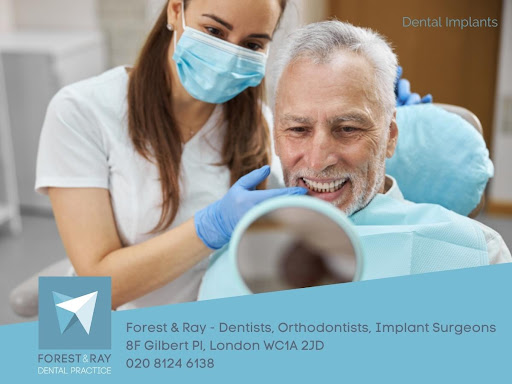
Dental implants are strong due to their fusion with the jawbone. They are more secure over traditional bridges and dentures. Implants can also protect bone structure by promoting growth of the bone in places where there is loss of bone from missing teeth. In addition, because dental implants function as anchors for the replacement of teeth, they can help prevent gum recession and maintain the facial contour better than other treatments that replace missing teeth, for example dentures or bridges alone are not able to provide this type of support. Forest and Ray is a good dental implant clinic to commence your journey.

The chance of success with dental implants depends on several factors, including overall health status prior to surgery, the correct treatment following surgery, lifestyle choices (smoking) as well as alterations within the jawbone structure (such as osteoporosis) and how well you follow the instructions of your dentist about postoperative care practices at home following surgery. Consult your dentist regarding the risks associated with dental implants, so that you’re prepared for the eventual outcome.

Tooth Implant London


What are Dental Implants?


Dental implants are a permanent solution for replacing one or more missing teeth. Dental implants are a titanium post which is surgically placed in the jawbone. It serves as teeth’s roots and also supports replacement teeth. Implants are utilized to replace one or more missing teeth, and are also used as a way of keeping dentures in position.

Implant placement requires careful planning and precise execution by an experienced dentist who is skilled in implant dentistry. The treatment plan includes thorough assessment of your oral health and medical history, your routines, and the your desired outcomes from the procedure. You may require additional procedures, such as an graft of bone before you are able to begin the procedure.

Once the abutment is fixed to the implant, it offers support for the replacement teeth which look and feel like natural teeth when properly fitted with bridges and crowns. Patients must practice good oral hygiene guidelines after dental implants have been placed so that they can remain well-maintained over time. Regular visits to a local dental practice are recommended for proper maintenance of your new smile! Dental hygiene includes brushing your teeth with fluoride toothpaste two times every day, flossing around each implanted denture and staying clear of sugary drinks and foods (especially those that are acid-based) during meals.
 

Dental Implants Procedures

Implants are a titanium rod that has been surgically implanted within the jawbone. After it is healed, the implant serves as the anchor point for a set of artificial teeth, which are custom-made to look just like the natural teeth. Based on the Amount of implants needed to replace the missing tooth or teeth, you might require multiple visits with your dentist to successfully complete the procedure.

Implant-supported dentures can be used to replace several or all of your missing teeth in one go. This kind of cosmetic dentistry involves placing a number of dental implants around the area in which teeth are missing, after which you attach prosthetics onto them so that they stay securely in place, and do not move inside your mouth when you talk or chew food. If the you take care throughout and following the surgical procedure, the restorations can have high success rates. These restorations can last for as long as 10 years before they are required to be replaced because of wear.

Dental implants are stronger and more stable as compared to other ways of replacing missing teeth like dentures and bridges. They become part you, integrating into your bone tissue, much like roots. This offers superior support for artificial substitutes that look as natural teeth. They also help maintain the health of your mouth by preventing the development of decay in healthy structures around.

Dental implants: Benefits

Dental implants are a wonderful solution to improve dental health as well as restore the look and feel of natural teeth. The most well-known type implant is one made of titanium which is surgically inserted into the jawbone. The bone acts like a natural tooth root. It then bonds to the bone tissue surrounding it over time, providing an anchor for the replacement teeth that look and feel as your natural teeth. Implant candidates should have healthy gums, and sufficient bone mass to support the implant and be healthy overall.